Announcements
Diabetes is a chronic disease that affects millions of people around the world. One of the key aspects to control this condition is the regular monitoring of blood glucose levels. Keeping glucose under control is essential to prevent long-term complications, such as heart problems, kidney damage, or vision loss.
However, many people with diabetes do not know how to properly monitor their glucose levels or what tools to use to do so efficiently.
In this article, we provide you with a complete guide on how monitor glucose efficiently, using modern tools, proven techniques and strategies to obtain accurate readings. Also, we explore some emerging technologies and mobile applications which can make monitoring easier and more accessible.
The Importance of Monitoring Blood Glucose
Regular glucose monitoring is essential for diabetes control. Keeping glucose levels within a healthy range can prevent serious complications and improve quality of life. People with type 1 and type 2 diabetes should measure their glucose levels several times a day to make sure they are balanced.
Announcements
Continuous monitoring allows people with diabetes:
- Monitor the body's response to food, exercise, and medications.
- Avoid episodes of hypoglycemia (low glucose levels) or hyperglycemia (high glucose levels).
- Make informed decisions about diabetes treatment.
Tools to Monitor Glucose: Which One to Choose?
There are different tools available to measure blood glucose levels. Each has its advantages and disadvantages, and the choice of tool will depend on several factors, such as how often glucose needs to be measured, cost, and convenience.
1. Traditional Glucometers
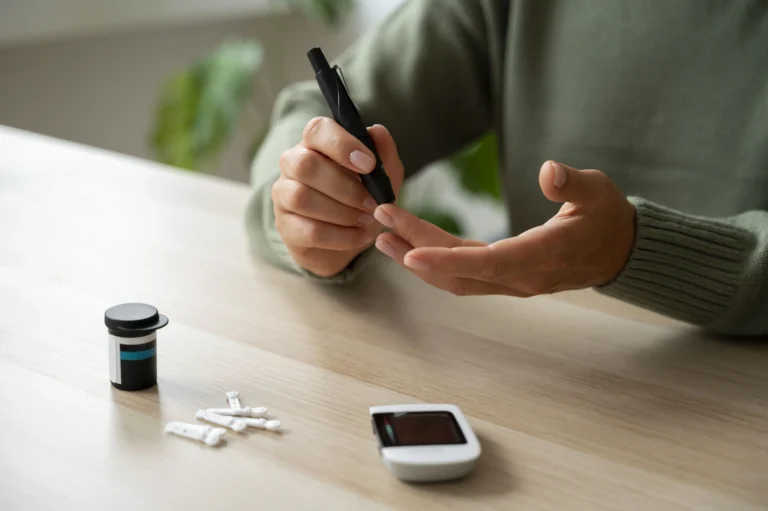
The glucometer it is one of the most common tools for measuring blood glucose levels. This wearable device measures the concentration of glucose in a small blood sample, which is usually obtained from a finger prick. Although glucometers have been around for many years, they are still a very popular choice due to their simplicity and relatively low cost.
Announcements
How to use a glucometer:
- Wash your hands well before performing the test.
- Place a test strip on the glucometer.
- Prick your finger with the lancet to get a drop of blood.
- Apply the blood sample to the test strip.
- The glucometer will give you a reading in just a few seconds.
2. Continuous Glucose Monitors (MCG)
The continuous glucose monitors (MCG) they are a more advanced and efficient tool for monitoring glucose levels. Unlike traditional glucometers, CGMs provide continuous readings throughout the day and night, without the need for finger pricks.
How a CGM works:
The monitor is placed on the skin, usually on the upper arm or abdomen. A sensor measures glucose levels in the interstitial fluid, which is the fluid that surrounds the body's cells. CGMs send readings to a receiving device or mobile app, allowing users to see how their glucose levels vary throughout the day.
Advantages of CGMs:
- Provides continuous readings, allowing for more precise monitoring of glucose levels.
- Helps detect rapid changes in glucose levels, which can prevent episodes of hypoglycemia or hyperglycemia.
- It does not require frequent finger pricks, making it more comfortable in the long run.
However, CGMs are typically more expensive and require periodic calibration with a traditional glucometer.
3. Mobile Applications to Monitor Glucose
Today, the mobile applications they are revolutionizing the way people with diabetes can track their glucose. There are applications that can be synchronized with traditional glucometers or continuous glucose monitors, making data collection and analysis easier.
How mobile applications work:
- Applications record glucose readings from connected devices (glucometers or CGMs).
- The apps allow you to track meals, exercise levels, medications and other factors that affect glucose.
- Some apps also send alerts if glucose levels are out of range, helping you make quick decisions.
Some popular glucose monitoring apps include Carb Manager, BlueLoop and MySugr. These apps not only help monitor glucose levels but also allow for complete monitoring of overall health.
Techniques to Obtain Accurate Glucose Readings
Getting accurate glucose readings is essential for good diabetes control. Here are some techniques and recommendations which can help you obtain more accurate and useful results.
1. Control the Quality of Reactive Strips
If you use a traditional glucometer, the quality of the test strips it is crucial to obtain accurate readings. Be sure to use test strips that are within their expiration date and stored correctly. Exposure to moisture or heat can affect its operation.
2. Perform the Tests at the Right Time
It is important to measure glucose at the most appropriate times of the day, such as:
- Before meals to know your fasting glucose levels.
- Two hours after eating to see how foods affect your levels.
- Before sleeping to make sure your levels are not too high or low overnight.
If you use a CGM, you can monitor continuously, but it is still helpful to record events such as meals or exercise so you can better analyze changes in glucose levels.
3. Avoid Stress and Dehydration
Stress and dehydration can alter blood glucose levels. Try to maintain as relaxed a lifestyle as possible and drink enough water throughout the day to avoid fluctuations in glucose levels.
When Should You Consult a Doctor?
Although regular glucose monitoring is essential for diabetes management, it is always advisable to consult a doctor in certain cases. If you notice that your glucose levels are out of control, even after adjusting your diet or medication, it is important to speak with a health professional.
Warning signs requiring medical attention:
- Consistently high or low glucose levels.
- Symptoms of hypoglycemia, such as excessive sweating, shaking, dizziness, or confusion.
- Chest pain or difficulty breathing.
Your doctor can help you adjust your treatment plan and provide additional advice on how to control your glucose levels more effectively.
Conclusion
Glucose monitoring is an essential part of diabetes management. With the right tools, like glucometers, continuous glucose monitors and mobile applications, you can keep your glucose levels under control and make informed decisions about your treatment. Remember that it is important to test your glucose at the right times, use quality equipment, and consult a doctor if necessary. By implementing these strategies and techniques, you will be able to improve the management of your diabetes and keep your overall health in the best possible condition.