Announcements
The blood pressure it is one of the key indicators of cardiovascular health and, when not properly controlled, can lead to serious complications such as heart disease, stroke and even kidney failure.
Maintaining healthy blood pressure is essential to prevent these problems and improve quality of life. However, many people do not know how to manage their levels, especially when faced with factors such as stress, an unhealthy diet or lack of physical activity.
In this article, we will offer you a complete guide on how keep your blood pressure healthy through daily habits what you can incorporate into your routine. These habits will not only help prevent health problems related to blood pressure, but will also allow you to live a more active and fulfilling life.
What is blood pressure and why is it important?
Blood pressure is the force with which blood flows through the arteries when the heart beats (systolic pressure) and when the heart rests between beats (diastolic pressure). The levels they are measured in millimeters of mercury (mm Hg) and expressed with two numbers, for example, 120/80 mm Hg. The first number (systolic pressure) measures the strength of blood flow when the heart beats, while the second number (diastolic pressure) measures the pressure at rest between beats.
Announcements
A healthy blood pressure range is less than 120/80mm Hg. Any value above this threshold could be an indication of high blood pressure, or hypertension, which is a condition that puts the heart under additional stress and can cause damage to blood vessels.
It's crucial monitor regularly and adopt healthy habits to keep it within a normal range.
1. Maintain a Healthy Blood Pressure Diet
The feeding it plays a crucial role in regulating blood pressure. What you eat directly affects the amount of sodium and potassium in your body, which are essential for controlling blood pressure. Here are some key dietary tips:
Announcements
Reduction of salt consumption
The excess sodium it can cause the body to retain water, which increases blood volume and raises blood pressure. To reduce your salt intake, follow these tips:
- Avoid processed foods, such as canned foods, soups, and sauces, which are often high in sodium.
- Cook with spices and herbs instead of salt to flavor your meals.
- Read the nutritional labels of products and opt for those that contain low sodium.
Increases potassium consumption
The potassium it helps balance the effects of sodium and can relieve pressure on blood vessel walls. Some foods rich in potassium are:
- Bananas
- Spinach
- Potatoes
- Nuts
- Avocados
- Tomatoes
Eat more fruits and vegetables
The fruits and vegetables they are an excellent source of vitamins, minerals and fiber, which makes them a fundamental component to maintain general health. It is recommended to eat a variety of these foods daily to ensure adequate intake of essential nutrients.
2. Regular Exercise to Control Blood Pressure
Regular physical activity is one of the best ways to control. Exercise increases blood flow and it helps reduce blood pressure, strengthening the heart and improving the health of blood vessels. It is recommended to perform moderate physical activity constantly.
Benefits of exercise
- The aerobic exercise, such as walking, running, swimming or cycling, improves blood circulation and helps lower blood pressure.
- It is recommended to do at least 30 minutes of exercise of moderate intensity five days a week to maintain healthy blood pressure.
Incorporate strength exercises
Although cardiovascular exercise is the most effective for controlling blood pressure, strength exercises (such as weight lifting) are also beneficial for cardiovascular health. By strengthening muscles, the efficiency of the circulatory system is also improved.
3. Control Stress with Relaxation Techniques
The stress it can temporarily elevate and, if chronic, contribute to the development of hypertension. Find effective ways to manage stress it is essential to maintain healthy blood pressure.
Effective techniques to reduce stress:
- Meditation and deep breathing: Spending a few minutes a day meditating or practicing deep breathing exercises can decrease anxiety and lower blood pressure.
- Yoga: Yoga combines gentle movements and controlled breathing, which helps reduce stress and improve blood circulation.
- Exercise: As mentioned before, exercise is also a great way to reduce stress and release tension.
- Free time and rest: Make sure you take time for yourself, enjoy hobbies, or simply relax to reduce stress.
4. Limit Alcohol and Caffeine Consumption for Pressure
Excessive consumption of alcohol and caffeine can raise. Although moderate consumption of both does not usually have a great impact, it is important to keep them under control.
Tips:
- Limit alcohol consumption to no more than one drink a day for women and two drinks a day for men.
- Reduces caffeine or swap it for decaffeinated options if you're sensitive to its effects on blood pressure.
5. Monitor Your Blood Pressure Regularly
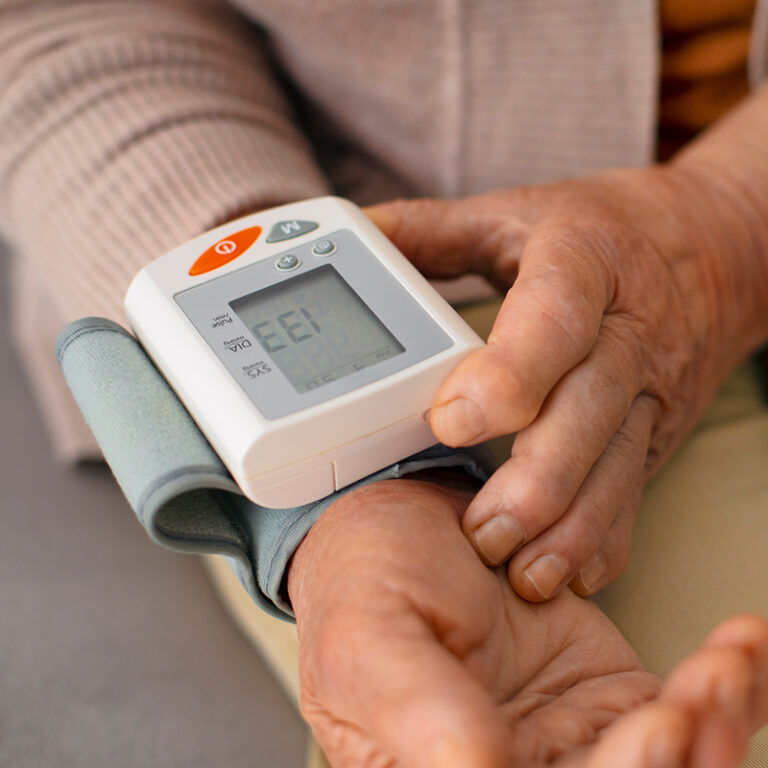
Monitoring at home is a great way to ensure you stay in a healthy range. With a meter properly, you can take your readings regularly and make lifestyle adjustments if necessary.
Recommendations for measuring blood pressure:
- Use a automatic monitor to obtain accurate readings.
- Take the readings in a quiet place, sitting in a relaxed position.
- Record your readings to share with your doctor at future visits.
6. Maintain a Healthy Weight
The overweight and the obesity they are closely related to hypertension. Weight reduction, especially through a balanced diet and regular exercise, can have a significant impact on lowering blood pressure.
Benefits of losing weight:
- Reduces the effort of the heart when pumping blood.
- Helps balance the glucose and the cholesterol levels, which also benefits cardiovascular health.
Even moderate weight loss can have very positive effects on blood pressure.
Conclusion
Maintaining healthy blood pressure is essential to prevent serious illnesses and improve quality of life. Following these daily habits'How to eat a balanced diet, exercise regularly, manage stress, and maintain a healthy weight You can significantly reduce the risk of hypertension. Remember that the prevention it's key, and small changes to your lifestyle can make a big difference in the long run. If you have questions about how to control or if you are already dealing with hypertension, do not hesitate to consult a health professional.